
Heathens
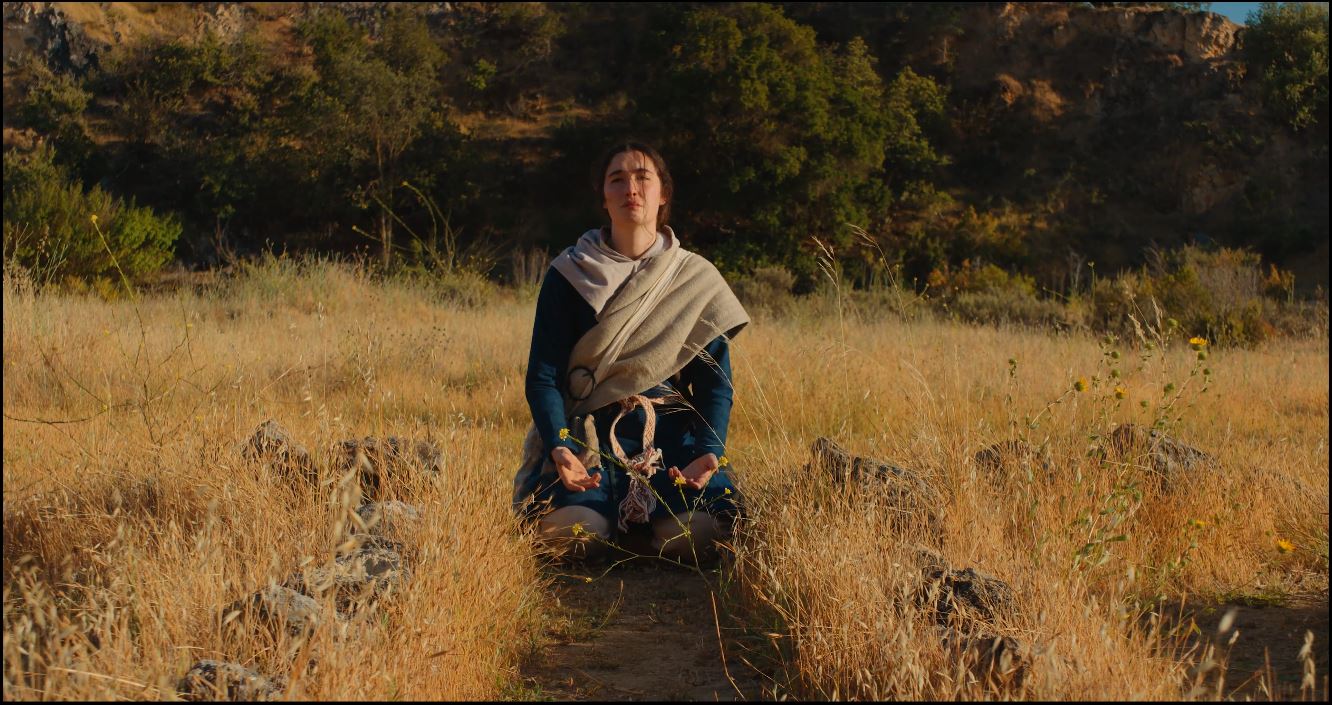
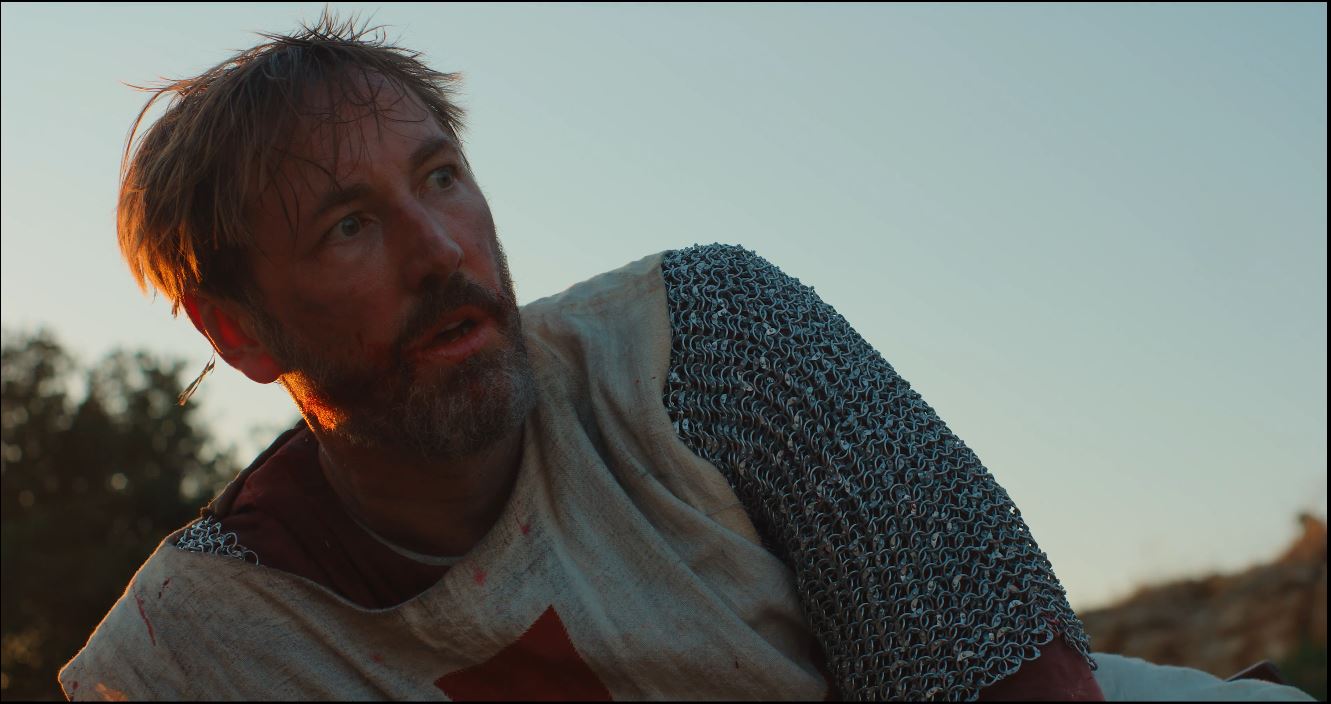
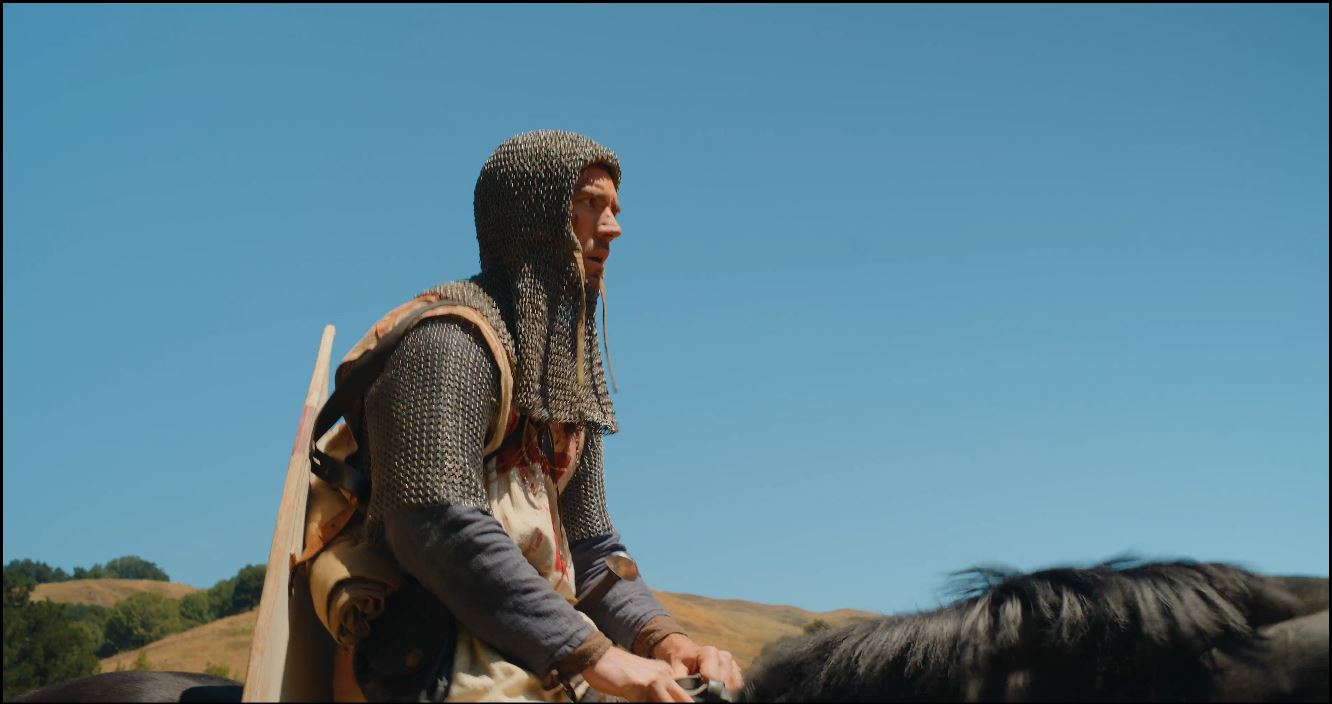
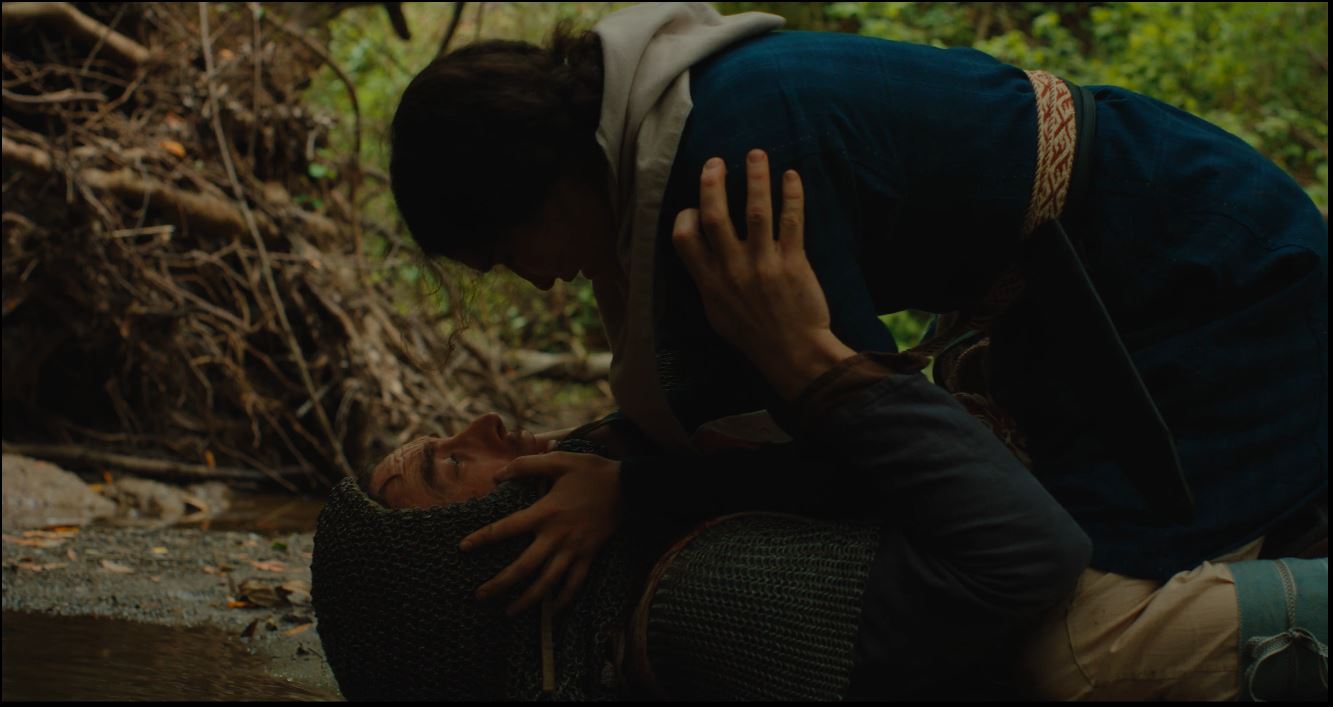
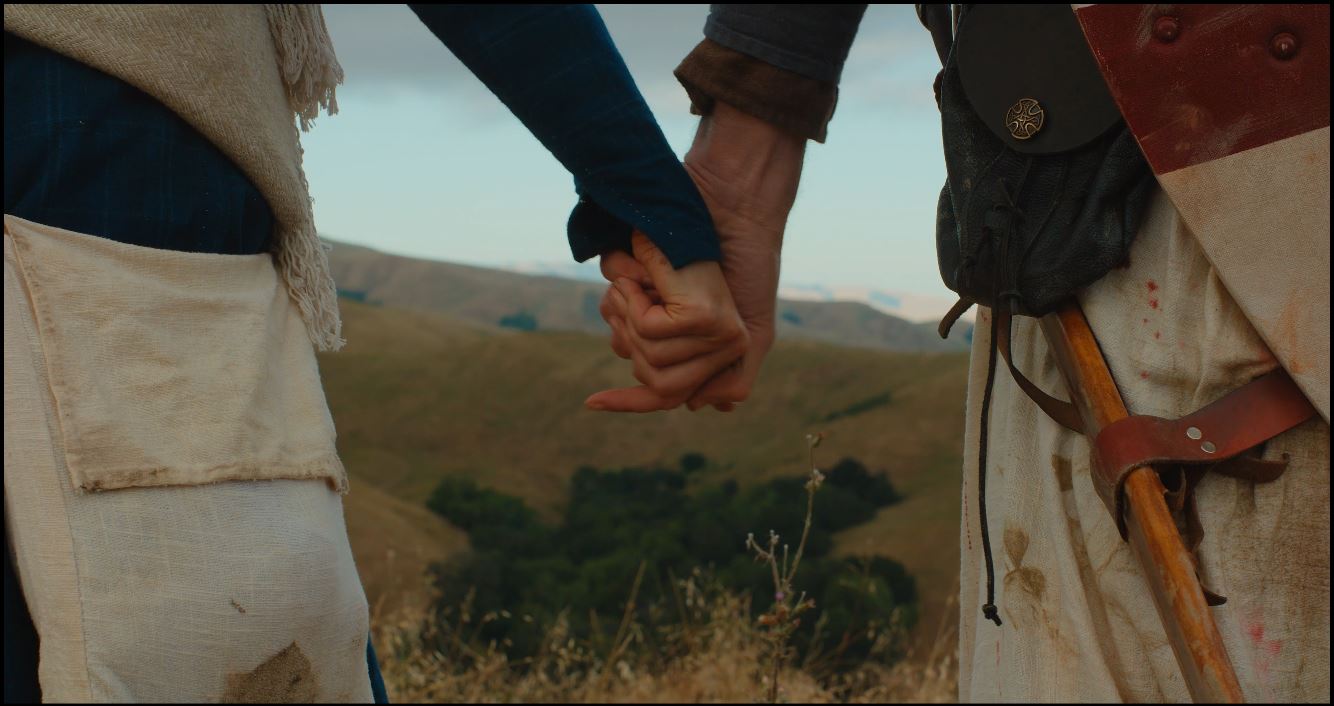
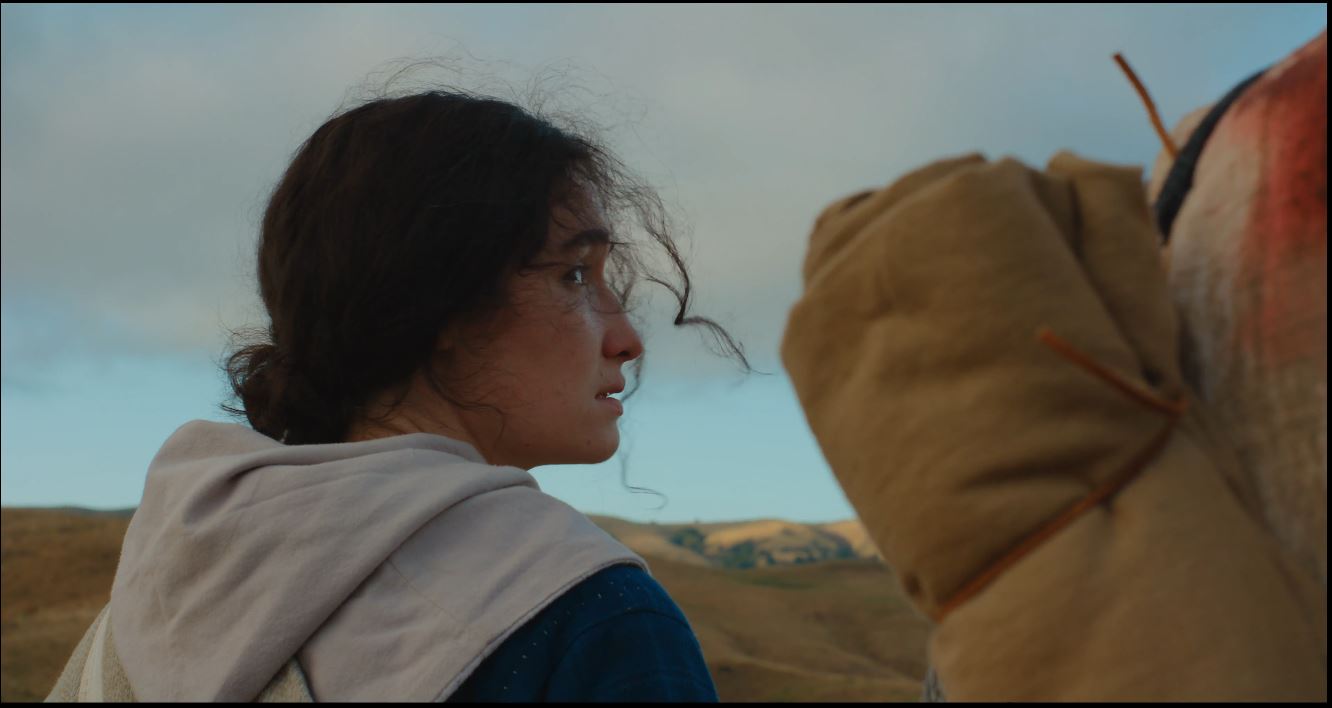
Set in Galicia 1190, Heathens follows a crusader who has lost his vision of God and is set upon a path that challenges his beliefs to the very core. The creative team wanted to follow historical accuracy as much as budget would allow. Production occurred in California but I am based on the East Coast, presenting a unique challenge. I created as many costume elements as could fit in a checked bag, including hero and stunt surcotes, tunics, undertunics, bags, coifs, woven tablet belts and more. For other elements, I worked with local members of the SCA to source various accouterments, weapons, and chain mail. I weathered everything down to make it look lived in with dyes, paint and the old favorites of coffee and tea.
Rumors of War
Rumors of War is a short film set in the late 17th century British American colonies. I created eight colonial costumes for a mixture of leads and extras. Historical accuracy was paramount for me as well as the director. Leading up to production, I spent as many hours as I could researching the time period. Clothing in early colonial America is a challenge as most research on the 17th century focuses on Europe, particularly the Dutch economic boom and the English Civil War. I found good conversation in reenactors and built ideas off of primary source etiquette advice and laws. I worked mostly off how people wore the clothes, economic turns and social lag to determine how to dress folks for the decade we were working within.
In terms of textiles, the lead characters had historically accurate wools and linens in the right loom widths. Extras had cotton flannel which read like wool on camera but fit better into the film’s budget. I assembled and patterned a combination of stays, petticoats (over and under), aprons, short gowns, kirtles, vests, jackets, coifs and learned how to steam wool hats to shape. Visible seam work was hand stitched where possible and all buttons were applied by hand. I then weathered everything down with a combination of cocoa powders, mineral makeup, coffee and tea, dyes and more to make the costumes look lived in. We worked with a local sutler to acquire hats, stockings and other accoutrements. For the large group scenes, a group of re-enactors lent us kit (and themselves).


The Persephone Logs
The Persephone Logs is a short dystopian film following a group of refugees as they make camp on a coastline. I weathered down secondhand clothing for the leads and extras. Though the setting of the film, an old war fort, was brightly colored by graffiti, I did not want the costumes to feel glaringly sharp in the frame. To dull them down, I chose colors that would blend into the backgrounds, chemically stripped them of dyes, left them in the sun and worked them until elbows, knees and shoulders were threadbare. The characters had functional layers with pockets and heavy, protective jackets. Sweaters with large, chunky knits were chosen as they looked like they were made by inexperienced hands.


Sylphvania Grove
This short film followed a young girls adventures in a fantastical land set in the woods behind her house. For this film I created a dress for a humanoid deer character. I wanted to make sure the dress looked worn and old, almost reminiscent of lichen. Coarsely woven fabrics were chosen under the idea that she could have created the fabric herself, made from the spirit of the forest, many immortal years before. The vine corset was meant to be a metaphor for the tree she was trapped inside, never to leave.


The Other Echtra
The Other Echtra is a short, imagined continuation of the Lay of Oisin in the Land of Youth. In the original echtra, a warrior named Oisin falls in love with Niamh, the Princess of the Land of Youth. After yearning for his homeland, Oisin returns to Ireland, loses immortality and dies. The film is his story of revenge, trapping the princess in the land of death.
Oisin’s mother was a deer and his name itself means “little deer”. To create his visage in death, I drew up a tall, hooded figure with the face of a deer skull. The actor who played him stood on stilts, bringing them to around seven feet tall at the shoulders. I bulked them out with hockey pads and built layers of cloaks on top of that. The top and bottom layers, with a six foot train, were a dark blue chiffon that flowed in the wind, reminiscent of smoke and water which plays a symbolic part in the film. The middle layer was of kingly velvet with weathered gold clasps to add texture. I did not want him to appear in flat blacks but rather for the costume’s layers to tell the history of his life. With the actor standing at seven and a half feet, a normal deer skull was too small so we sourced a moose skull. We added deer antlers, moss and the glint of old jewelry from a previous life before mounting it to a hockey helmet with three pounds of counterweight in the back.
Played by a young actress, Niamh’s very existence was contrary to the land of death. She did not belong there. So I kept her clothing clean, white and simple to contrast Oisin’s slow rot. She could stay in the land of death forever, never age, never die. Together, they share a feathered pendant to symbolize the idea of flight, freedom and escape that neither of them can have.


Harbinger
Harbinger is a post-apocalyptic short film set in a nuclear winter. It follows a teenage boy and girl as they trek towards some unknown goal, slowly succumbing to radiation sickness and exposure. There are four total characters in the film: the two teenagers, a military defector and a veteran of the outdoors.
For the two teenagers, they left the shelter of their home in the middle of the night and fled into the wilderness. They wear layers of clothing, the bottom most of which are their pajamas from that night. Mismatched pairs of socks with holes cut out suffice as gloves. They are dressed with little cohesion, working with what they could find on their journey and replacing items once they are worn through.
The military defector keeps himself prim and repairs his clothing on a regular basis. Most of his wardrobe is made up of an old military uniform. I sourced clothing from WWI through the Korean War to put together a military aesthetic that did not fall into any specific place in time. His character is a moderate coward, using others for his own means, even to the point of cannibalism. His uniform consists of a few different ranks to show that it was not originally his own.
The survivalist is thriving in this post-war environment. She is warm, bundled up with pelts she has hunted and trapped. Her layers are well thought out, ensuring she stays warm until summer comes, if it ever does. She has pockets throughout and a large pack that is easy for her to ditch, she can replace the items in it with little challenge.


